Valorant Map Pool 2026: Current Rotation & Competitive Impact
Valorant Map Pool 2026: Current Rotation & Competitive Impact
Valorant’s ever-evolving map pool is a constant source of discussion and strategic adaptation for players of all levels. As of January 2026, only seven of the twelve available maps are in active rotation, significantly impacting agent selection, strategies, and overall competitive balance. This article will delve into the current map rotation, analyze its implications for the game’s meta, and provide insights for players looking to gain an edge.
Current Valorant Map Rotation: A Deep Dive
Riot Games strategically rotates maps to keep the gameplay fresh and prevent stagnation. The current map pool consists of:
- Ascent
- Bind
- Breeze
- Icebox
- Lotus
- Split
- Sunset
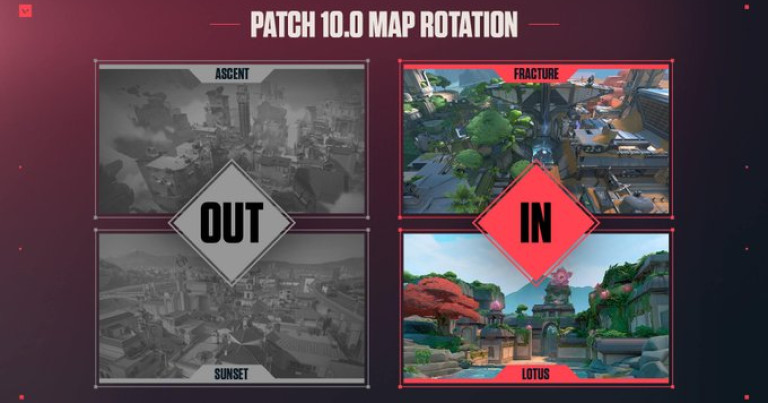
Maps like Pearl, Fracture, and Haven are currently out of the competitive rotation. Riot Games typically provides a rationale behind map rotations, often citing balancing concerns, opportunities for map updates, or a desire to shift the meta. The last map rotation occurred on January 10, 2026, with the removal of Pearl and the return of Split, according to official patch notes.
Impact on Agent Selection and Strategies
The map pool directly influences agent selection. For example, Breeze, with its long sightlines, favors agents like Jett and Chamber. Bind, with its tight corridors and teleporters, benefits controllers like Brimstone and Viper. The absence of Pearl, a map with a more open mid-control focus, shifts the meta towards maps that reward aggressive pushes and coordinated team play.
Community Reactions and Competitive Implications
The community has mixed reactions to the current map rotation. Some players appreciate the focused pool, allowing them to master specific maps and strategies. Others miss the variety offered by a larger map pool. From a competitive standpoint, the limited map selection emphasizes the importance of adaptability. Teams must be proficient on all seven maps to succeed in VCT (Valorant Champions Tour) and other tournaments. This also means players need to be flexible with their agent picks and understand the nuances of each map’s layout and chokepoints.
For players climbing the ranked ladder, mastering a few key agents on each map is crucial. Understanding common strategies, callouts, and effective utility usage can significantly improve win rates. Pay attention to professional VCT matches to observe how top teams approach each map and adapt their strategies accordingly.
Dominate the Map Pool: Technical Precision is Key
The current Valorant map rotation demands precision and adaptability from every player. Whether you’re a seasoned pro or an aspiring competitor, mastering the nuances of each map is essential for success. However, even with perfect knowledge and strategy, technical issues can hold you back. Lag spikes, packet loss, and jitter can sabotage your performance at critical moments, costing you rounds and matches.
The detailed analysis shows how Valorant is a game of millimetric precision. But even mastering concepts, network problems can sabotage perfect executions – your smoke might deploy late, your flash might not blind at right timing, your peek might be punished before you even see the enemy.
NoPing eliminates these variables across 3,000+ games: Multi-Connection technology reduces lag by up to 80% and eliminates up to 100% of packet loss and jitter. Zero interruption, zero excuses. Your technical execution becomes as reliable as your theoretical knowledge.
Already know the theory? Now ensure the practice. Free 7-day trial and discover what it’s like to play Valorant when complex mechanics work exactly as you planned.
Published by automated system on January 27, 2026 at 8:00 PM