MSI 500Hz Monitor: Is High FPS the Future of Valorant?
MSI 500Hz Monitor: Is High FPS the Future of Valorant?
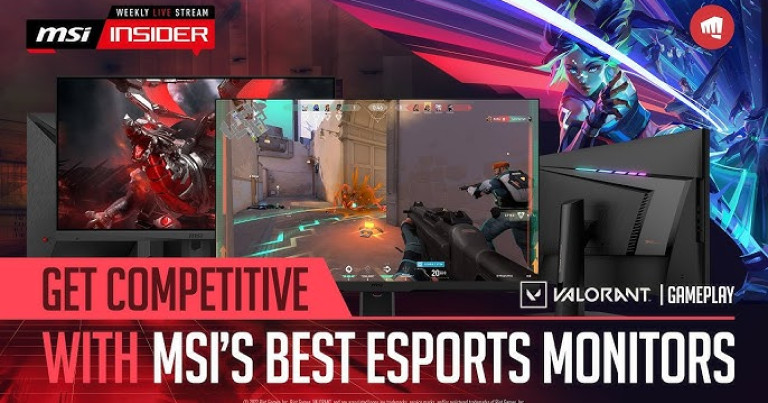
The pursuit of the smoothest, most responsive gameplay is a constant for competitive Valorant players. With MSI’s recent unveiling of a 500Hz monitor, the question arises: is a super-high refresh rate the next frontier for gaining a competitive edge in Valorant? This article delves into the potential benefits and drawbacks of a 500Hz monitor for Valorant, helping you decide if it’s worth the investment.
Unveiling the MSI 500Hz Monitor: Specs and Potential
MSI has recently launched a monitor boasting an astonishing 500Hz refresh rate. While the specific model details are still emerging, the core promise is clear: unparalleled smoothness and responsiveness. Here’s a breakdown of what this could mean for Valorant players:
- Reduced Input Lag: Higher refresh rates translate to lower input lag, meaning the time between your action (mouse click, key press) and the on-screen response is minimized.
- Improved Clarity in Motion: Fast-paced scenes become clearer, making it easier to track targets during rapid movements and engagements.
- Potential for Faster Reaction Times: The combination of reduced input lag and improved clarity could lead to quicker reaction times, giving you a crucial advantage in firefights.
These benefits are especially relevant in a game like Valorant, where split-second decisions and precise aiming are paramount. The difference between a win and a loss often comes down to milliseconds.
The Technical Edge: How Refresh Rate Impacts Gameplay
A 500Hz refresh rate means the monitor updates the image 500 times per second. This is a significant leap from the standard 144Hz or even 240Hz monitors commonly used by gamers. The higher the refresh rate, the more frequently new information is displayed, leading to a smoother and more responsive experience. However, diminishing returns can occur, and the human eye may not perceive the difference beyond a certain point.
Valorant at 500Hz: Real-World Benefits and Drawbacks
While the theoretical advantages are compelling, the practical implications for Valorant players are more nuanced. Here’s a look at the potential upsides and downsides:
- Upsides:
- Enhanced Aiming Precision: Tracking fast-moving targets becomes easier, potentially improving accuracy.
- Faster Reaction to Peeks: Reacting to enemies peeking corners becomes quicker, giving you a better chance to win duels.
- Reduced Motion Blur: Less motion blur leads to a clearer image, especially during rapid movements.
- Downsides:
- High System Requirements: Achieving a stable 500 FPS in Valorant requires a powerful CPU and GPU.
- Diminishing Returns: The perceived difference between 240Hz and 500Hz may be minimal for some players.
- Cost: 500Hz monitors are currently expensive, making them inaccessible to many players.
Is a 500Hz Monitor Worth It for Valorant?
Ultimately, the decision of whether to invest in a 500Hz monitor depends on your individual circumstances and priorities. If you’re a highly competitive player with a top-tier PC and a desire to squeeze every last drop of performance out of your setup, it might be worth considering. However, for the average player, the benefits may not justify the cost and system requirements. Remember that skill and game sense are far more important than raw hardware.
Valorant demands technical precision and a stable connection. Network problems can sabotage even the most skilled players. Your smoke might deploy late, your flash might not blind at the right timing, your peek might be punished before you even see the enemy.
NoPing eliminates these variables across 3,000+ games: Multi-Connection technology reduces lag by up to 80% and eliminates up to 100% of packet loss and jitter. Zero interruption, zero excuses. Your technical execution becomes as reliable as your theoretical knowledge.
Already know the theory? Now ensure the practice. Free 7-day trial and discover what it’s like to play Valorant when complex mechanics work exactly as you planned.
Published by automated system on March 31, 2026 at 8:00 PM